
Extension learning
Spatial, general-science and advanced topics outside the current Grade 1 and secondary pathways.
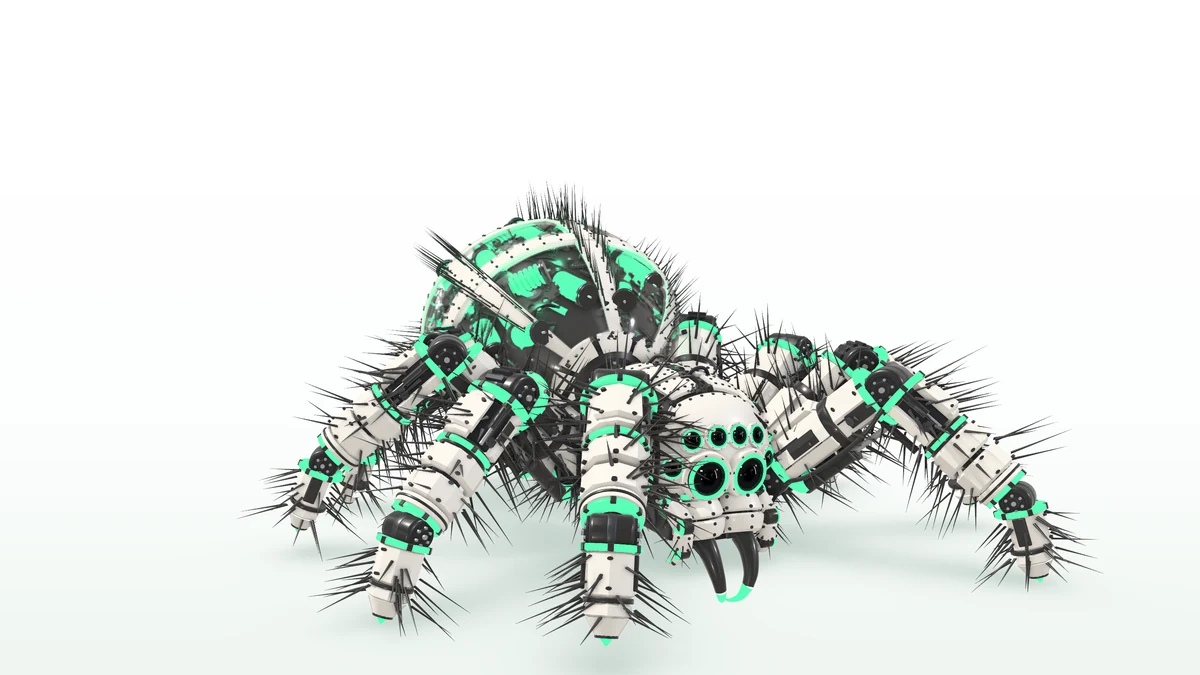
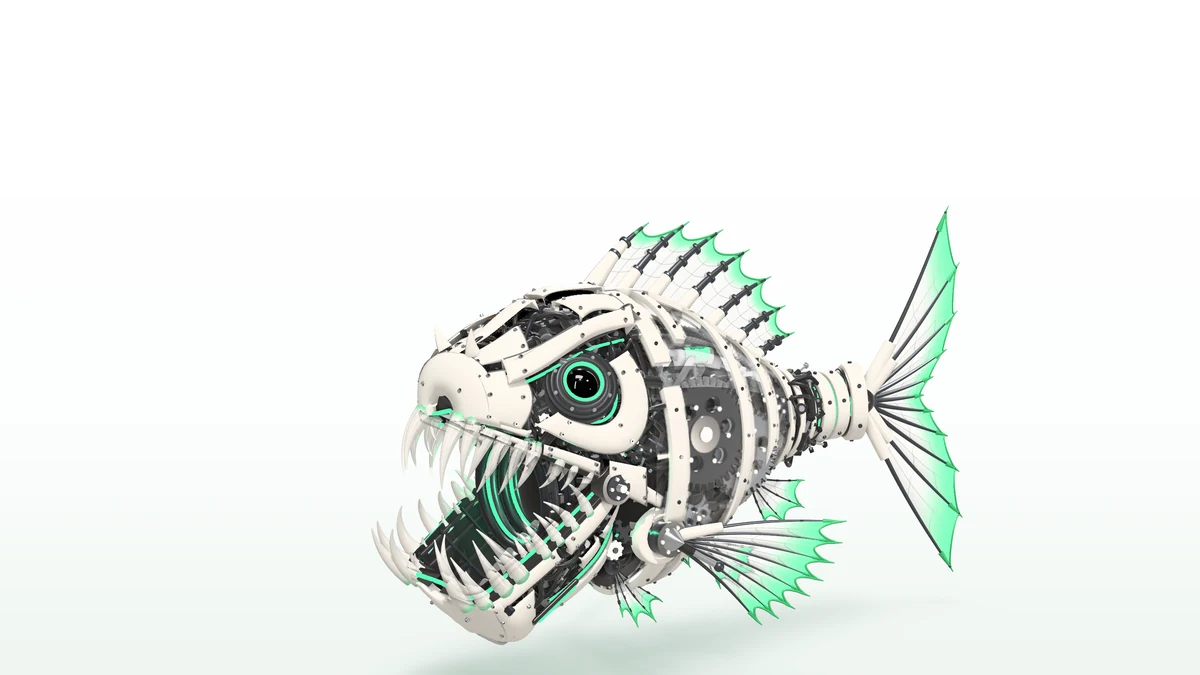
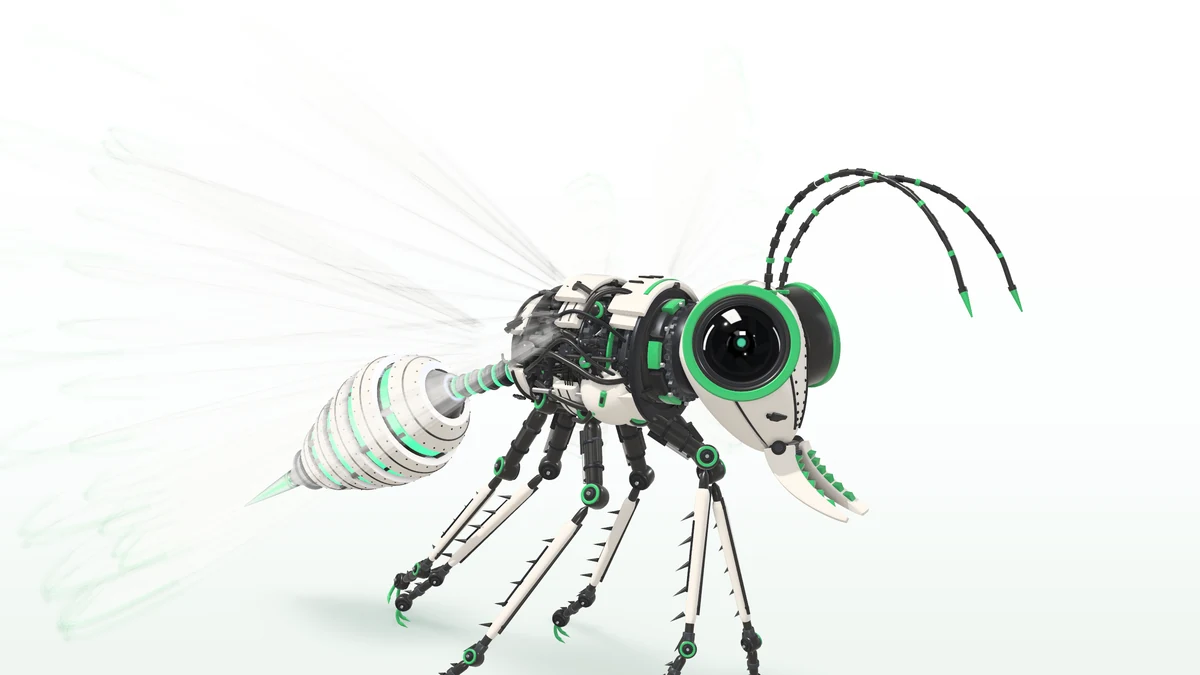
Mechanical animal workshop
Rotate, take apart and reassemble three mechanical animals. Explore shells, joints and internal structures.
Course library
8 courses
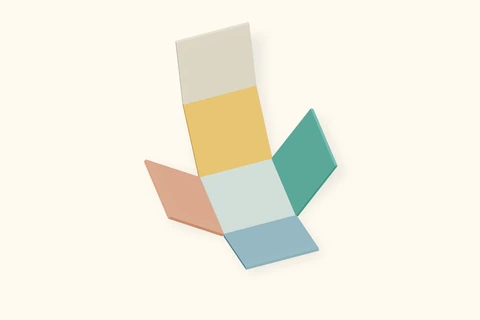
Cube nets
Which two faces never meet when you fold a cube?
Unfold, refold and try a different net. Follow six colored faces to discover adjacent and opposite pairs.
Unfold a cube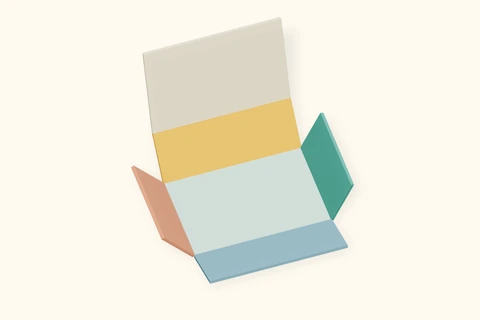
Cuboids & surface area
How much paper does it take to wrap a box?
Change the length, width and height. Lay out all six faces to see where the surface area formula comes from.
Unwrap a box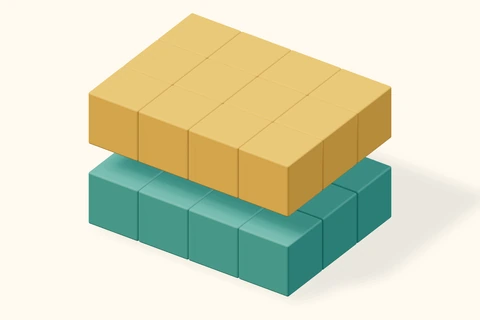
Volume & unit cubes
How many little cubes, without counting each one?
Build one layer, then stack more. Connect counting unit cubes to the formula for volume.
Build volume layer by layer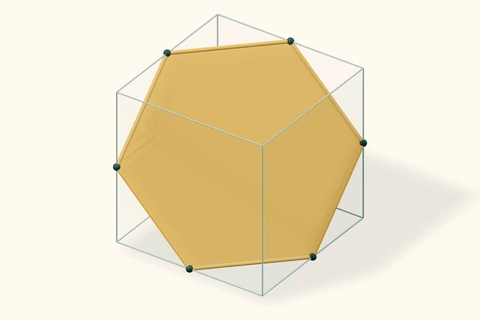
Cross sections of a cube
Can slicing a cube make a hexagon?
Move a cutting plane and compare the solid with its flat cross section. Watch how the shape changes.
Explore a slice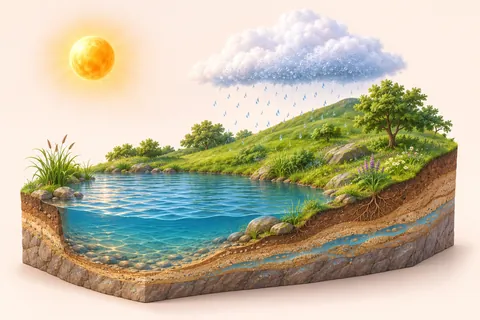
Water changing state and cycling
How can water leave a liquid surface and later become droplets again?
Use particle motion and energy transfer to connect evaporation, condensation, precipitation, and collection.
Open lesson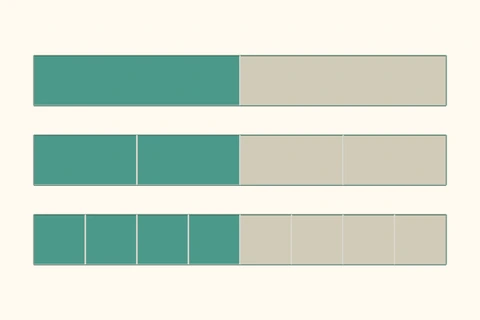
Equivalent fractions: one whole, different partitions
Why do 3/4 and 6/8 name the same number?
Align fraction bars, split every part equally, and see why multiplying numerator and denominator by the same whole number preserves the shaded length.
Open lesson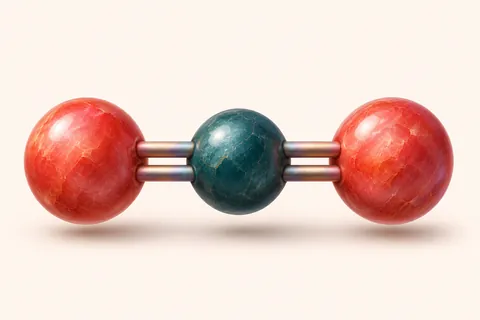
Molecular vibrations: IR and Raman activity
If the atoms are moving, why can a vibration still be IR inactive?
Compare symmetric stretch, antisymmetric stretch, and bending in CO₂ and H₂O, then classify IR and Raman activity from changes at equilibrium.
Open lesson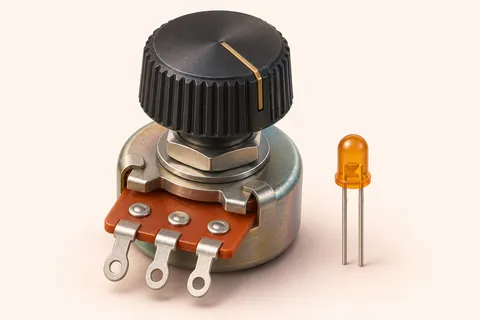
How a knob becomes brightness: potentiometers, ADC, and PWM
For the same dimming task, why does a knob circuit measure voltage first and then rapidly switch an LED?
Turn a 10 kΩ potentiometer and trace the voltage divider, 10-bit ADC reading, 8-bit PWM command, and LED’s average output.
Open lessonNo matching courses. Try another subject or stage, or clear your search.
Predict. Test. Explain.
Every course pairs hands-on exploration with readable explanations. Explore on your own, work with a parent, project it in class, or take the questions to paper.